Labrador Retriever
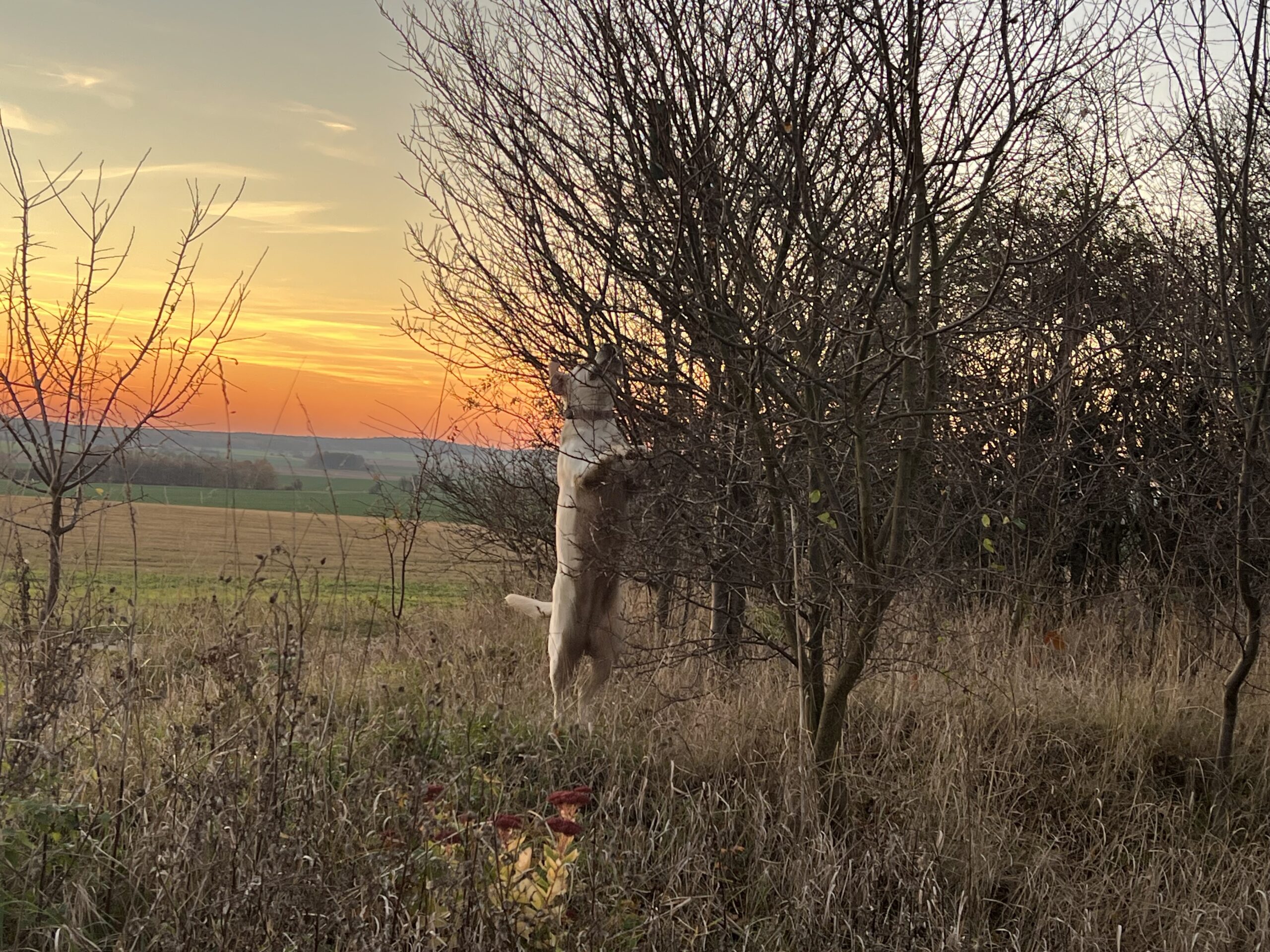
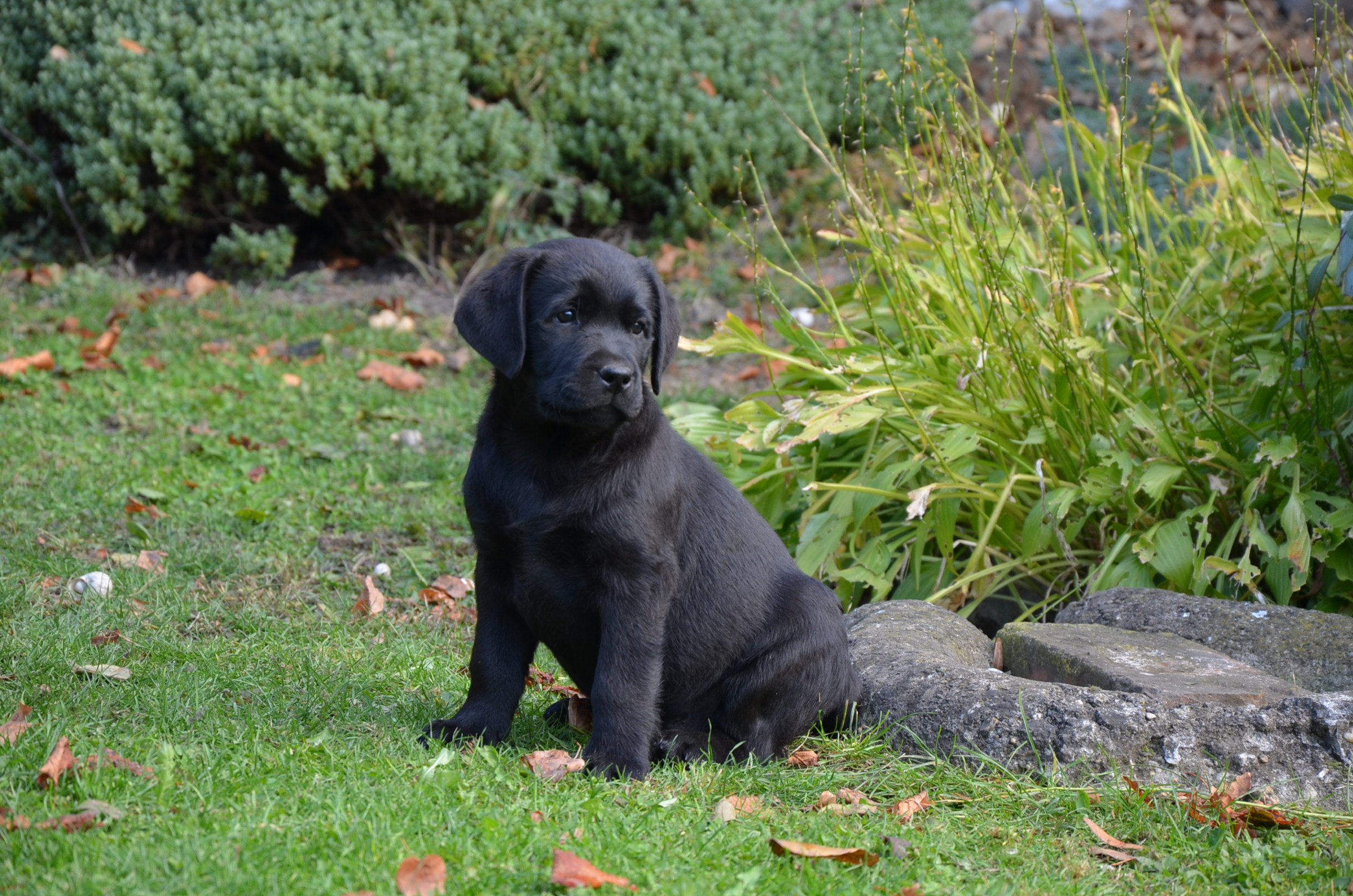
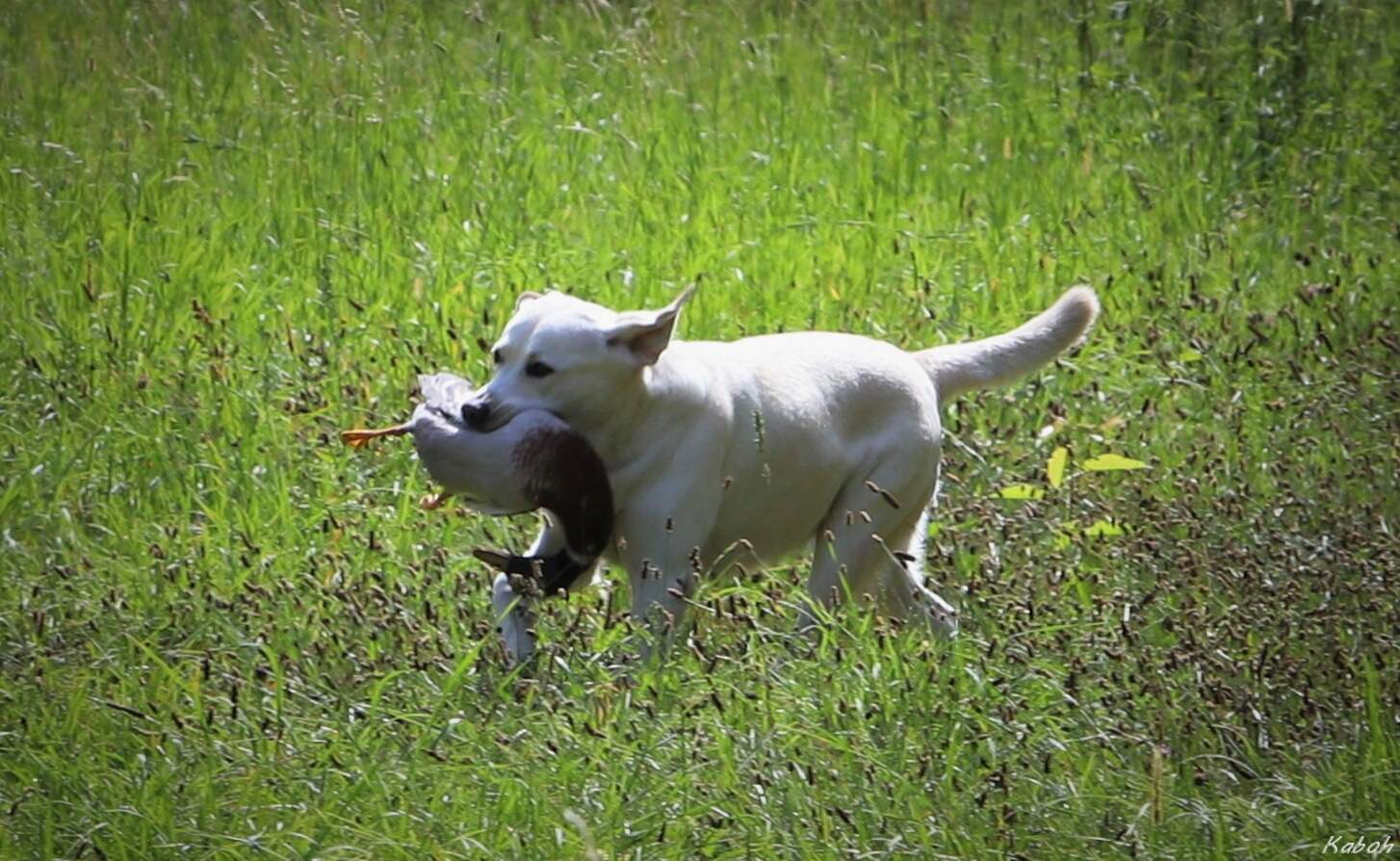
The Labrador Retriever is a versatile and affectionate dog with an exceptional desire to work in partnership with people. Equally at home as part of a family, in the shooting field or in a wide range of dog sports, the breed is renowned for its steady temperament, trainability, and willingness to work under demanding conditions, particularly in water, where its strength and endurance truly excel.
Compared with other retriever breeds, the Labrador Retriever is generally more powerfully built and straightforward in both character and working style, while retaining the breed’s characteristic soft mouth and kind, friendly nature.




Breed Standard
A Brief History
The Labrador Retriever originated in Newfoundland (now part of Canada) and was brought to Great Britain in the early 19th century. Its ancestors were the St. John’s Dogs, smaller water dogs used by local fishermen to retrieve fish, nets and other equipment from the water.
In Great Britain, the Labrador Retriever was further developed, particularly by the British aristocracy, as a specialised gundog for retrieving game. Emphasis was placed on excellent scenting ability, willingness to work in partnership with its handler, a steady temperament, and reliable retrieving both on land and in water.
Over time, the Labrador Retriever became one of the world’s most popular retriever breeds. Today, it continues to excel not only in the shooting field but also in a wide range of roles, including assistance and guide work, animal-assisted therapy, search and rescue, and a variety of dog sports. Thanks to its steady temperament and friendly nature, it is also one of the world’s most popular family dogs.
Breeding Requirements
| pes / fena | ||
|---|---|---|
| Ideal Height at the Withers | 56 – 57 cm / 54 – 56 cm | |
| Dentition | *Scissor bite only; teeth may be missing except for incisors and canines. | |
| Show award obtained after 12 months of age | At least two show results are required. One of them must be obtained at a Club Show or Specialty Show with the CAC title on offer (a Regional Club Show does not fulfil this requirement), organised by Retriever Club CZ or Klub chovatelů loveckých slídičů (KCHLS). The required minimum qualification is Very Good (VD) at both shows. The second qualifying show may be obtained at any International Show, National Show, Club Show, Specialty Show or Regional Club Show. | |
| Working Trials | Retriever Working Aptitude Trial (OVVR) or any hunting working trial or competition that includes a retrieving assessment.** | |
| Hip and Elbow X-ray Examination (DKK + DLK) | HD A/A to C/C** ED assessment mandatory, max. 1/1*** |
- Notes
- *The bite must be a scissors bite. M3 teeth (the third molars in the lower jaw) are not considered functional teeth and are therefore not included in the total tooth count.
- *Dogs with incomplete dentition may only be bred to a partner with complete dentition.
- **Dogs with a DKK result of A/C to C/C may only be bred to dogs with a DKK result of A/A to B/B.
- *** As of 1 September 2026, the maximum permitted ED result for breeding approval is 1/1.
Dogs that fulfilled all breeding requirements before 9. 1 September 2026 may apply for breeding approval under the previous rules until 30 October 2026.
A list of FCI Group 8 breed judges authorised to measure height at the withers and verify the bite and dentition outside the show ring for breeding approval of retrievers can be found HERE.
Recommended Health Testing for Breeding Dogs
| Annual ophthalmological examination (PRA/CAT/RD) | The examination screens for inherited eye disorders. Both planned breeding partners should be examined, including dogs that are genetically clear of prcd-PRA. |
Recommended Genetic Tests for Breeding Dogs
| PRA (Progressive Retinal Atrophy) | When planning a mating, it is recommended to choose a pair where at least one of the prospective parents is PRA clear / N/N. | ||
| EIC (Exercise-Induced Collapse) | When planning a mating, it is recommended to choose a pair where at least one of the prospective parents is EIC clear / N/N. | ||
| HNPK (Hereditary Nasal Parakeratosis) | When planning a mating, it is recommended to choose a pair where at least one of the prospective parents is HNPK clear / N/N. | ||
| CNM (Centronuclear Myopathy) | When planning a mating, it is recommended to choose a parental pair so that at least one of the prospective parents is CNM clear / N/N. | ||
| SD2 (Skeletal Dysplasia 2 – disproportionate dwarfism) | When planning a mating, it is recommended to choose a parental pair so that at least one of the prospective parents is SD2 clear / N/N. | ||
| DM (Degenerative Myelopathy) | When planning a mating, it is recommended to choose a pair where at least one of the prospective parents is DM clear / N/N. | ||
| STGD (Stargardt Disease) | When planning a mating, it is recommended to choose a parental pair so that at least one of the prospective parents is STGD clear / N/N. | ||
| MCD (Macular Corneal Dystrophy) | When planning a mating, it is recommended to choose a parental pair so that at least one of the prospective parents is MCD clear / N/N. | ||
| Copper Toxicosis (ATP7A, ATP7B, RETN – Copper Metabolism Disorder) | When planning a mating, it is recommended to choose a parental pair so that at least one of the prospective parents is Copper toxicosis clear / N/N. |
- List of Commonly Used Laboratories Offering Genetic Testing
- Tilila Laboratories CZ, www.tilialaboratories.cz
- Genomia (CZ), http://www.genomia.cz, http://www.genomia.cz, sleva pro registrované chovatelské kluby 10 % https://www.genomia.cz/cz/homepage/clubs/;
- Laboklin/Labogen (DE, pobočka v CZ), http://www.labogen.cz
- XXL Package for Labrador Retrievers https://labogen.com/en/labogenetics-xxl-dog/
At least one of the planned breeding pair must be genetically clear of the respective mutation (N/N, clear, non-carrier).
Guidelines for the Use of Genetic Testing

Je naprosto zásadní používat genetické testy správně! Je třeba si uvědomit, že přenašeč (carrier) je především zdravé zvíře a díky genetickým testům je možné tyto přenašeče využívat v chovu bez rizika narození postiženého štěněte. Vyřazování přenašečů naprosto zbytečně drasticky zmenšuje genofond plemene. Proto je důležité testovat nejen chovné psy, ale i feny a podle výsledků volit partnera, který bude co nejméně příbuzný, bude odpovídat typem a vhodně vyváží slabiny feny a nebude přenašečem téhož defektu jako fena. Není žádoucí využívat pouze psy čisté „na všechno“. Je třeba si uvědomit, že na mnoho jiných nemocí genetické testy nejsou a právě jejich výskyt může kvůli zmenšování genofondu v budoucnu dramaticky stoupnout.
Health Criteria for Responsible Breeding
Z chovu by zásadně měla být vyřazena všechna zvířata, která nejsou zdravotně způsobilá, bez ohledu na splnění formálních chovných podmínek. Zdravé zvíře neznamená pouze nulové kyčle a několik negativních genetických testů. Do chovu by neměli být zařazováni jedinci s onemocněními či vadami, na které genetické testy neexistují nebo které se mohou projevit až v průběhu života, zejména epilepsie, srdeční vady, poruchy štítné žlázy, metabolická a autoimunitní onemocnění, těžké alergie a chronické kožní problémy, entropium, ektropium, OCD, oboustranná ruptura kolenních vazů, spondylóza, luxace patelly apod.
Chov je především dlouhodobá odpovědnost vůči plemeni, budoucím štěňatům i jejich majitelům. Zatajování nebo zlehčování zdravotních problémů v rodokmenu vede k jejich dalšímu šíření v populaci a může znamenat celoživotní zdravotní obtíže pro potomky i značnou zátěž pro jejich rodiny. Každé štěně, které se narodí, bude po mnoho let sdílet život se svými lidmi — proto je etickou povinností chovatele usilovat o to, aby mělo co nejvyšší předpoklady pro zdravý a kvalitní život. Otevřenost, poctivost a sebekritický výběr chovných jedinců jsou základním předpokladem odpovědného chovu.


How to Qualify Your Dog for Breeding
Poradce chovu LR
Iva Vítková
Vysoká n. Labem 498
503 31

① splňte podmínky
- věk min. 18 měsíců
- výstavy
- zkoušky
- RTG
② připravte doklady
- PP originál + kopie
- 2× posudek
- zkoušky/OVVR
- RTG
- fotky
③ odešlete poradci
- doklady doporučeně
- PP k zápisu
- registrace klubem
- zápis ČMKJ
Obecné informace
- uchovnění jedince v Retriever klubu CZ je možné od věku 18 měsíců po splnění všech chovných podmínek
- členové klubu hradí poplatek za uchovnění 100 Kč na účet 2900706251/2010
- nečlenové hradí poplatek 3000 Kč
- členství lze vyřídit online přihláškou
Výstavní podmínky
- pro chovnost jsou platné posudky získané po 1 roce věku psa/feny
- minimálně dvě výstavy, z toho:
- alespoň jedna klubová (RK CZ, KCHLS) se zadáním CAC
- druhá může být mezinárodní, národní, klubová, speciální, oblastní klubová
- ocenění min. 2× alespoň velmi dobrý
- k uchovnění je potřeba doložit výšku, skus a chrup od k tomu určeného rozhodčího zaznamenané buď v posudku z výstavy nebo v PP psa
Zkoušky
- podmínkou chovnosti je absolvování:
- OVVR
- nebo zkoušek s přezkoušením přinášení
- platí klubové zkoušky RK CZ/KCHLS a zkoušky lovecké upotřebitelnosti ČMMJ (PZ – podzimní zkoušky, LZ – lesní zkoušky, ZVP – zkoušky vodních prací, VZ – všestranné zkoušky)
RTG kyčlí a loktů
- vyšetření lze provést od 12 měsíců věku u smluvního posuzovatele RK CZ
- postup:
- vyplnit formuláře DKK a DLK
- 2× vytisknout klubové certifikáty (někteří posuzovatelé si je vytisknou sami s vyplněnými údaji psa – doporučujeme se informovat)
- RTG provede veterinář (nebo posuzovatel)
- (snímky odešle posuzovateli – pokud jím sám není)
- obdržíte certifikáty
- snímkování s vyhodnocením lze provést pouze jednou
- doporučujeme předem ověřit cenu vyšetření
Doklady k uchovnění
- originál průkazu původu a kopie
- originály výstavních posudků (min. 2) a kopie
- tabulka ze svodu loveckých psů (pokud absolvován)
- tabulka ze zkoušek / OVVR
- kopie výsledků DKK a DLK + klubové certifikáty
- doklad o zaplacení členského příspěvku / členská průkazka
- dvě fotografie psa/feny (hlava a postoj) – e-mailem poradci
- doklad o zaplacení poplatku za uchovnění
Postup
- Po splnění všech podmínek zašlete potřebné doklady doporučeně příslušnému poradci chovu, který provede registraci chovnosti a záznam do průkazu původu.
- Po registraci klubem provede záznam chovnosti také Plemenná kniha ČMKJ.
- Originál průkazu původu je nutné zaslat na ČMKJ:
- u psů ihned po registraci klubem
- u fen spolu s přihláškou k zápisu vrhu
- Originály dokladů se vracejí doporučeně majiteli.
Seznam smluvních posuzovatelů DKK a DLK pro RK CZ
smluvní posuzovatel DKK a DLK pro RK CZ
MVDr. Libor Vlček
Otavská 1453
370 11 České Budějovice
smluvní posuzovatel DKK a DLK pro RK CZ
MVDr. Lukáš Duchek
K Hájům 2671
155 00 Praha 13-Stodůlky
smluvní posuzovatel DKK a DLK pro RK CZ
MVDr. Marek Pepřík
Nádražní okruh 35
746 01 Opava
smluvní posuzovatel DKK a DLK pro RK CZ
MVDr. Milan Decker
Krchleby 44
345 61 Staňkov
smluvní posuzovatel DKK a DLK pro RK CZ
MVDr. Milan Snášil
Podveská 20
624 00 Brno – Komín
smluvní posuzovatel DKK a DLK pro RK CZ
MVDr. Vilma Hypská
Medkova 1723/6
500 02 Hradec Králové
Klubový certifikát DKK a DLK ke stažení zde